

Celebrating over 50 years
Where to Submit Work
Links to submissions
Submission stories for women’s magazines
Submission stories for women’s magazines
Comprehensive Databases of Submission Markets
Comprehensive Databases of Submission Markets
Non-Fiction (Largely Articles) Submissions
Non-Fiction (Largely Articles) Submission Links
Short Fiction (Prose Fiction) Submissions
Short Fiction (Prose Fiction) Submission Links
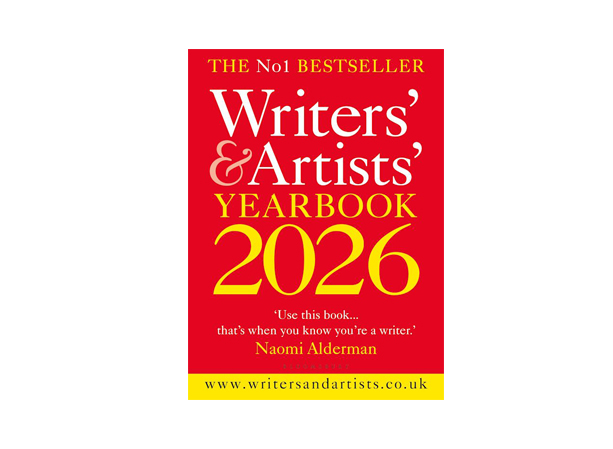
Writers and Artists Yearbook
If you are looking for somewhere to publish your novel or a non-fiction book
Advice About Submitting Your Work
Before submitting, be sure to check the ‘entry requirements’ or ‘submission guidelines.’ These will clarify any obvious reasons why your story might not be suitable for that market. For instance, the magazine may only publish historical stories, or your story might be outside their specified length. While slight edits to adjust the length are often possible, make sure to adhere to their guidelines as closely as you can.
Read several stories from the magazine to get the flavour of it. Who do you think their readers are? Young or old? Male or female? Do they say they will accept an ‘eclectic mix’ (so misleading, that) but really only take futuristic and paranormal, or (very common) only stories set in the United States? Some destinations say they consider a wide range of word lengths but, in actuality, favour shorter stories, or longer stories.
- Proofread for Spag (spelling and grammar errors) and check for any inconsistencies in your story. (We’re using the word ‘story’ in the general sense here. Journalists refer to non-fiction articles as ‘stories’.)
- Check the presentation. Wide margins (4cm or more) are frequently asked for, or a particular font.
- When submitting work in a word processed document, use double-line spacing for printed submissions and email attachments in Word. When you’re pasting into an email or using a submission tracker (such as Submittable or Duosuma – see below), use single spacing.
- Does the editor want your name in the header or footer – or adamantly does not want to see your name at all?
- Check which word processing formats are required. .doc or docx? If you send your work in any other format, the editor won’t be able to read it, so you will have wasted your time.
- Check word length. Editors will not accept anything outside word limits.
- Check deadlines. Editors will not accept your work after the deadline.
Check how the editor wants to receive your piece. It will be one of the following:
- Printed and posted by snail mail. Often with a stamped addressed envelope. (Rosemary’s unfavourite!)
- Word processed document attached to an email.
- Text of story pasted into the body of an email.
- Text of story pasted into a dedicated form which is part of the magazine’s website.
- Text of story pasted into Submittable or Duosuma (generic submission management platforms, used by many markets). You need to have an account with Submittable. Duosuma is part of Duotrope and uses your Duotrope user id and password.
- The important thing is to use the submission method asked for. Apart from the editor possibly not seeing something submitted in the different manner, it’s a mark of respect to him/her. Many editors say they will delete submissions sent as attachments to emails unless they have asked for them to be sent in this way, of course.
- Finally, keep a record of which stories you have sent where. Note acceptances and rejections and non-successes in competitions.

